
The familiar sights of betting shops on high streets might seem like relics of a bygone era, especially with the relentless surge of online betting platforms. Many wonder if these brick-and-mortar establishments have a place in the future, or if they’re destined to fade away as 2025 approaches.
However, dismissing betting shops entirely might be premature. While the online realm undoubtedly dominates a significant portion of the gambling industry, physical shops still offer unique experiences and advantages that digital platforms simply can’t replicate. This analysis provides an expert perspective on the current position of betting shops and explores their potential prospects in the evolving landscape of the gambling industry.
This article cuts through the noise, offering a balanced and insightful look at the challenges and opportunities facing betting shops. It considers the impact of online betting, changing consumer preferences, and technological advancements to provide a comprehensive overview of what the future might hold for these traditional gambling venues.
The Changing Landscape of the Betting Industry
The betting industry has undergone a dramatic transformation throughout history. Once confined to physical establishments, like smoky backrooms and bustling racetracks, the industry has exploded into a multi-billion dollar global market, largely thanks to technological advancements.
The early days of betting were characterized by limited access and geographical constraints. Placing a wager meant physically visiting a bookmaker. However, the arrival of the internet changed everything. The late 1990s and early 2000s saw the emergence of online betting platforms, offering convenience and accessibility to a wider audience.
This shift was further accelerated by the popularization of mobile devices. The ability to gamble on smartphones and tablets made betting possible anytime and anywhere, leading to a surge in mobile gambling. The impact of technology extends beyond mere convenience. Online platforms also introduced new betting options, such as in-play betting and virtual sports, enriching the user experience.
Today, online betting accounts for a significant portion of the overall betting market. The industry continues to evolve with the integration of new technologies like blockchain and artificial intelligence, promising even more disruption and innovation in the years to come. The betting industry history demonstrates a clear trajectory: from localized, in-person transactions to a globally interconnected, digitally driven ecosystem.
The Current State of Betting Shops in 2025
As of 2025, the betting shop landscape reflects a market in transition. While brick-and-mortar establishments remain a significant part of the gambling industry, their numbers have seen considerable fluctuation. Recent industry reports indicate a moderate decrease in the total number of betting shops compared to previous years, with closures primarily affecting regions with lower population densities and increased online gambling adoption.
Geographically, the distribution of betting shops is concentrated in urban areas and regions with strong historical ties to traditional gambling. However, even in these areas, betting shops face increasing competition. Betting shop statistics reveal that the revenue generated by these establishments constitutes a substantial portion of the overall gambling market. Industry analysis shows that while online platforms are capturing a larger market share, betting shops continue to attract a specific segment of the population, particularly those who value the in-person experience and social interaction.

Advantages of Betting Shops
Betting shops offer several unique advantages that online platforms simply can’t replicate. One of the biggest draws is the social gambling aspect. They serve as community hubs where people can gather, chat about sports, and share the excitement of a winning bet. This social atmosphere is something you just don’t get when betting from your couch.
Another key benefit is the in-person experience and customer service. Need help understanding odds? Want to place a complex wager? The staff at a betting shop can provide face-to-face guidance, answering questions and walking you through the process. This personal touch is invaluable, especially for those new to betting or who prefer a bit more assistance.
And let’s not forget the appeal of cash payouts. There’s something satisfying about walking out of a betting shop with cash in hand after a win. This immediate gratification is a big draw for many, offering a tangible reward that online withdrawals can’t match. For some, particularly older customers, engaging with betting shops is a cherished routine, a way to stay connected to their community and enjoy a familiar pastime. They understand and trust this kind of experience more than online alternatives.
Challenges Facing Betting Shops
Betting shops, once a fixture of high streets, are now navigating a complex landscape fraught with challenges. The rise of online platforms has undeniably disrupted the traditional betting model. Online competitors offer a compelling value proposition – convenience, a broader selection of games and betting options, and aggressive promotional offers. This digital shift forces brick-and-mortar shops to compete for a customer base that increasingly values accessibility at their fingertips.
Adding to the pressure is the evolution of changing consumer behavior, particularly among younger demographics. Today’s younger generations are digitally native; they’re comfortable with online transactions and expect a seamless, tech-driven experience. Traditional betting shops, often perceived as outdated, struggle to resonate with this demographic. They need to adapt and innovate to attract and retain a younger, tech-savvy clientele.
Finally, betting shops face a thicket of increasingly stringent regulatory challenges. Governments are implementing stricter rules regarding advertising, responsible gambling measures, and taxation. These regulations, while designed to protect consumers and ensure fair practices, can significantly impact profitability and operational flexibility, requiring betting shops to invest in compliance and adapt their business models constantly. Economic factors and ever-shifting market trends add even more layers of complexity to the challenges these businesses must overcome.
How Betting Shops are Adapting and Evolving
Leveraging Technology
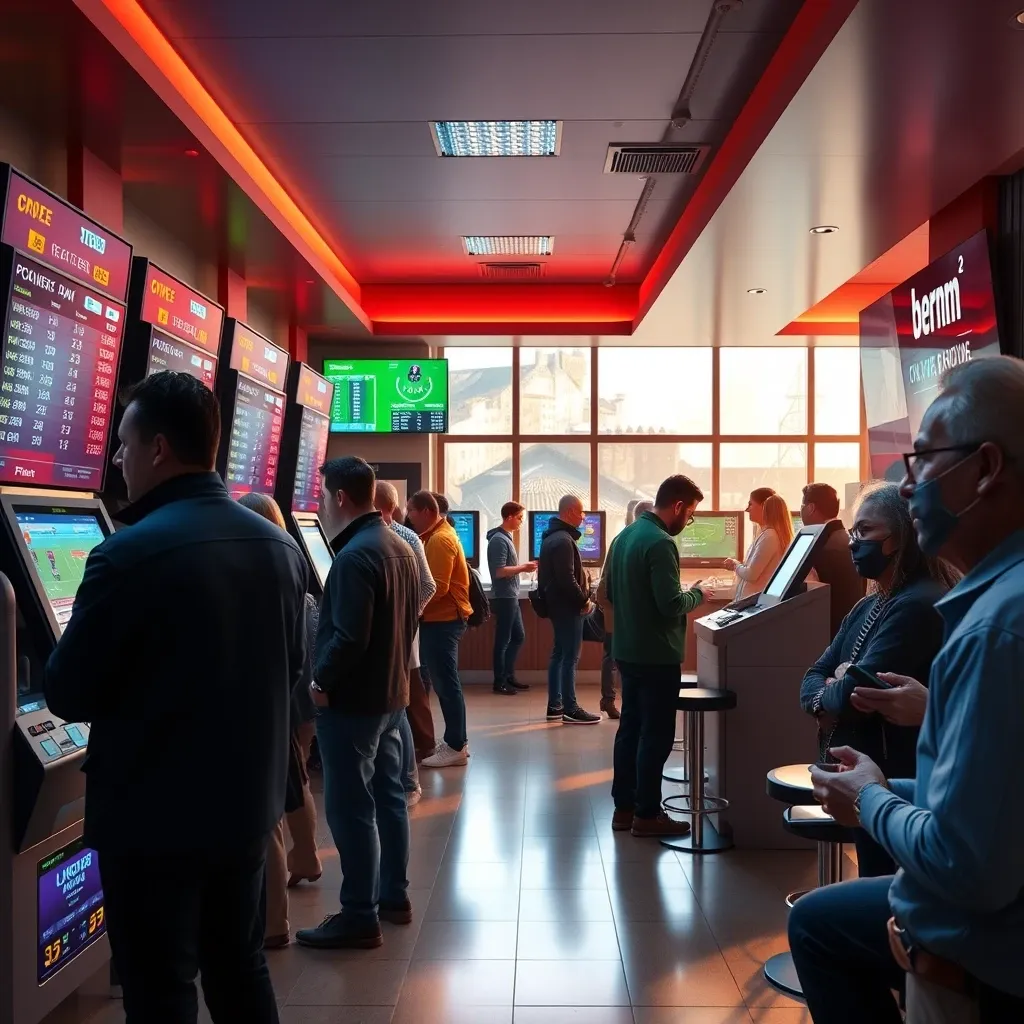
Betting shops aren’t your grandpa’s off-track wagering spots anymore. To stay relevant in a world of smartphones and instant gratification, they’re seriously upping their tech game. Think fewer paper slips and more digital dazzle. Self-service betting terminals are popping up everywhere, slashing those annoying queue times and letting you place bets at your own pace. These aren’t just fancy kiosks; they’re mini-powerhouses offering a huge range of betting options right at your fingertips.
And forget squinting at static odds boards! Betting shops are now rocking vibrant, dynamic digital displays. These screens showcase real-time odds, live scores, and a constant stream of betting opportunities, creating an immersive and engaging atmosphere. Plus, many shops are integrating their offerings with mobile apps, allowing customers to place bets, track their progress, and even cash out winnings from the comfort of their couches using a QR code.
The Future of Betting Shops: Predictions and Trends
Predicting the future of any industry is a tricky game, but when it comes to betting shops, some trends are becoming undeniably clear. Don’t expect them to vanish overnight; instead, expect a metamorphosis fueled by technology, regulation, and the ever-evolving demands of bettors.
One strong possibility is further consolidation. Smaller, independent shops might find it increasingly difficult to compete with larger chains that have deeper pockets for technological investment and marketing. This could lead to fewer, but more strategically located and technologically advanced, betting shops.
Increased regulation is almost a certainty. As the online gambling market continues to grow, governments are likely to scrutinize the entire betting landscape, including brick-and-mortar establishments. Expect stricter rules around advertising, responsible gambling measures, and perhaps even limitations on the density of betting shops in certain areas. This isn’t necessarily a negative; responsible regulation can help to create a more sustainable and ethical industry in the long run.
The most significant change, however, will undoubtedly be driven by technology. Betting shops that cling to outdated methods will struggle. The future lies in seamlessly integrating the physical and digital worlds. Imagine shops equipped with interactive displays offering live data and personalized betting options. Consider the potential of augmented reality enhancing the in-shop experience, or the use of sophisticated data analytics to provide customers with more informed betting choices. The betting shop of tomorrow might resemble a hybrid of a traditional bookmaker and a high-tech gaming lounge.
For betting shops to not only survive but thrive, adaptation and innovation are not optional—they’re essential. Embrace technology, prioritize customer experience, and demonstrate a commitment to responsible gambling. Those that do will not only secure their place but redefine what it means to place a bet.
Conclusion: Betting Shops in 2025 – Adapt or Fade?
The future of betting shops in 2025 is a complex tapestry woven with threads of tradition and technology. As we’ve explored, the rise of online betting poses a significant challenge, demanding that brick-and-mortar establishments rethink their strategies to stay relevant. The allure of convenience and the sheer variety offered by online platforms cannot be ignored.
However, betting shops possess unique strengths. The social atmosphere, the immediate thrill of in-person betting, and the personalized service they offer create an experience that online platforms struggle to replicate. By focusing on these advantages, betting shops can carve out a niche and thrive.
Innovation is key. Embracing technology, offering unique in-store experiences (like exclusive events or expert analysis), and building strong community ties are essential steps. The betting shops that adapt, evolve, and cater to the changing needs of their customers are the ones most likely to succeed. While the landscape will undoubtedly be different, betting shops have the potential to remain a vibrant part of the gambling industry in 2025 and beyond. The game isn’t over; it’s simply evolving.